
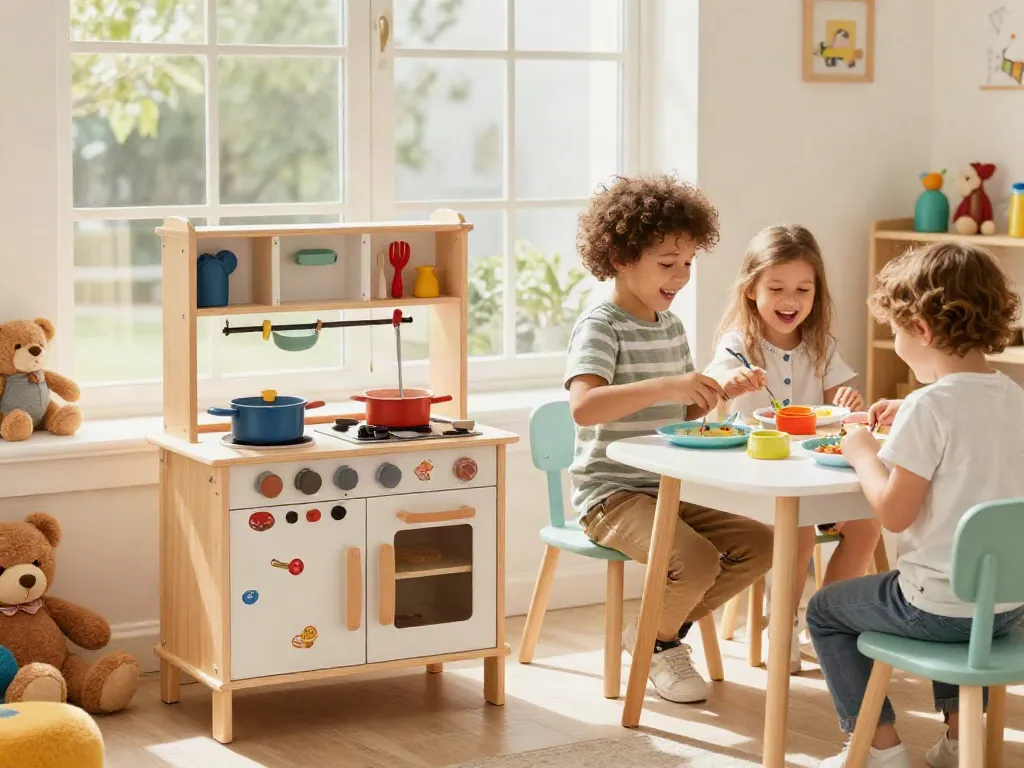
The Benefits of a Play Kitchen for Child Development
A play kitchen serves as more than just a toy—it's a hub for creativity and learning that can significantly enhance a child's development. Engaging in role-play through a play kitchen allows children to explore their imaginations while learning essential life skills. From preparing pretend meals to serving imaginary guests, these activities contribute to various developmental areas.
How Play Kitchens Encourage Imagination and Role-Play
Children possess a remarkable ability to immerse themselves in imaginative play. Play kitchens provide a platform for this type of engagement, allowing them to mimic real-life scenarios they observe around them. Whether they’re cooking a feast for their stuffed animals or hosting a tea party, the narratives they construct are limited only by their imaginations. This form of role-play is crucial, as it enables children to experiment with different identities and scenarios.
The Impact of Play Kitchens on Cognitive Skills
Engaging with a play kitchen can enhance a child's cognitive skills in several ways. From counting ingredients to following step-by-step instructions in their pretend cooking, children practice numeracy and literacy without even realising it. Furthermore, the act of measuring, pouring, and mixing with toy kitchen tools develops fine motor skills and hand-eye coordination, which are critical in their overall development.
Social Skills Development Through Group Play
Play kitchens are seldom used alone; they often become a focal point for group play. When children collaborate, they learn to share, negotiate, and communicate effectively with their peers. Whether they are deciding who will play chef or server, these interactions foster social skills that will benefit them well into adulthood. Such collaborative play also instils a sense of empathy, as children take turns and consider the feelings of their friends as they create shared experiences.
Choosing the Right Play Kitchen for Your Child
Selecting the ideal play kitchen for your child can feel overwhelming given the plethora of options available. Factors such as size, materials, and features are essential considerations to ensure the best fit for your child's needs and your living space.
Factors to Consider When Selecting a Play Kitchen
- Age Appropriateness: Ensure the kitchen set matches your child's age and developmental stage. Young toddlers may require simpler designs, while older children might enjoy more complex setups with additional features.
- Space Constraints: Consider the space available in your home. Compact designs may be better suited for smaller living areas, while larger kitchens might be ideal for playrooms.
- Features and Accessories: Look for play kitchens that offer interactive elements such as lights, sounds, and realistic utensils to enhance play experiences.
Wooden vs Plastic: Which Play Kitchen Is Better?
The choice between wooden and plastic play kitchens is often debated among parents. Wooden sets are typically more durable and can withstand rough play, while also providing a classic aesthetic. On the other hand, plastic kitchens are usually lighter, more affordable, and available in a wider variety of designs. Ultimately, the choice will depend on your budget, preference for durability, and your child's play habits.
Safety Features to Look For in Play Kitchens
Safety should always be a priority when selecting a play kitchen. Check for features such as rounded edges, non-toxic materials, and sturdy construction. Ensure that any small parts are age-appropriate and free from choking hazards. A well-designed play kitchen will not only provide hours of fun but also keep safety at the forefront.
Essential Accessories to Enhance Play Kitchen Fun
Accessories can significantly elevate the fun and educational value of a play kitchen. Thoughtfully chosen items can encourage more imaginative play and enhance learning experiences.
Top Accessories That Elevate Role-Playing Experience
- Utensil Sets: A range of cooking utensils, from spatulas to measuring cups, allows children to replicate real cooking scenarios.
- Food Items: Realistic food sets that include fruits, vegetables, and packaged items offer endless possibilities for creativity.
- Cleaning Supplies: Adding pretend cleaning items encourages a sense of responsibility and teaches children about cleanliness.
DIY Play Kitchen Accessories for Crafty Parents
Crafting your own play kitchen accessories can be a rewarding experience that adds a personal touch. Items such as felt food, paper plates, and even homemade aprons can be created with simple materials found at home. This not only saves money but also provides an opportunity for parents and children to bond while crafting.
Where to Buy the Best Play Kitchen Accessories
Whether you are looking for store-bought accessories or DIY materials, numerous outlets provide a variety of options. Online retailers, local toy shops, and craft stores tend to have a broad selection. Consider shopping around for the best deals while ensuring the quality you desire.
Creative Play Kitchen Activities and Ideas
Maximising the fun and educational potential of a play kitchen can be achieved through various activities. Here are some engaging ideas to consider.
Fun Cooking Games for Kids to Enjoy
Cooking games can act as fun competitions to engage your child's creativity. You could set up themed cooking challenges where children must prepare specific dishes using their tools and ingredients, fostering excitement around meal preparation.
Educational Recipes to Teach Kids About Food
Incorporating real recipes into playtime can enhance educational outcomes. Work with your child to mimic actual cooking processes, teaching them about food groups, nutrition, and even measuring ingredients in a playful manner.
Setting Up a Play Kitchen Cooking Competition
Turn playtime into a competitive event by hosting a cooking competition with friends or family members. Provide different ingredients and challenge children to create unique dishes. This not only brings an element of excitement but also encourages teamwork and decision-making.
Trends in Play Kitchens for 2026 and Beyond
The landscape of play kitchens is ever-evolving, with exciting new trends emerging that enrich the play experience for children. Here’s what to look forward to in the coming years.
Innovative Features in Modern Play Kitchens
Modern play kitchens are incorporating technology, including interactive touchscreens and app-enabled features that enhance the play experience. Such innovations encourage educational gaming while teaching children about technology integration in daily life.
Sustainable Materials and Eco-Friendly Practices
With growing environmental consciousness, many manufacturers are focusing on sustainable materials in their play kitchen designs. Eco-friendly options not only educate children about sustainability but also promote a healthier planet for future generations.
The Future of Interactive Play Kitchens
As technology advances, the future of play kitchens will likely include more immersive experiences using augmented and virtual reality. These advancements could revolutionise how children interact with their kitchens, combining play with real-world skills in unprecedented ways.
What age should a kid get a play kitchen?
Most play kitchens are designed for children aged 2 to 6 years, although many older children also enjoy them. Evaluate your child's interests and maturity to determine the best time for introduction.
How much does a play kitchen cost?
Prices for play kitchens vary widely based on materials and features. Basic models can start at around £50, while high-end, feature-rich kitchens can exceed £200.
Is it worth getting a play kitchen?
Investing in a play kitchen can provide a wealth of developmental benefits from improved social and cognitive skills to enhanced creativity. Many parents find the long-term value worth the initial cost.
Which play kitchen is the best?
The best play kitchen largely depends on your child's preferences, age, and available space. Researching various brands and customer reviews can help you find a suitable option.
What are the top accessories for play kitchens?
Essential accessories for play kitchens include utensil sets, food items, and cleaning supplies. These additions can expand imaginative play and provide educational opportunities.